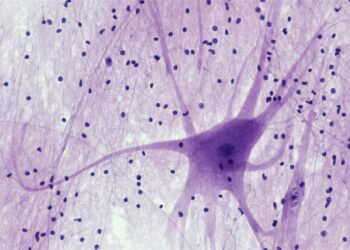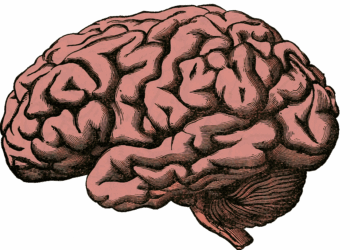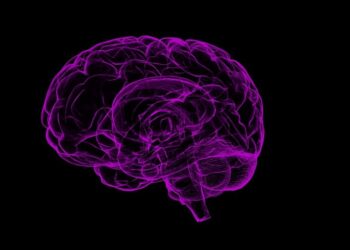


The journey from understanding basic brain anatomy to mastering institutional-grade neural optimization is the primary driver of modern cognitive science and human peak performance. We are currently navigating a revolutionary era where the ability to influence our own biological hardware—the brain’s intricate neural networks—is no longer a theoretical concept but a core requirement for mental resilience and longevity. This evolution in neurological application requires a sophisticated understanding of synaptic transmission, neurotransmitter modulation, and the psychological discipline needed to harness the brain’s innate ability to reorganize itself. For the modern high-performer or medical professional, mastering the mechanics of brain-derived neurotrophic factors and neural pathways is a fundamental pillar for scaling mental capacity and defending against cognitive decline in a high-velocity world.
Achieving elite status in this domain involves more than just reading academic papers; it requires a deep dive into the biochemistry of flow states, the architecture of the nervous system, and the systematic application of neuro-regenerative habits. This guide is designed to deconstruct the complex layers of the modern neurobiological ecosystem, providing you with a masterclass in the strategies used to unlock the brain’s full potential. By focusing on the synergy between biochemical precision and lifestyle-driven neural sculpting, you can transform your cognitive health from a static asset into a dynamic, high-performance engine. Let us explore the blueprints of cerebral sovereignty and discover how to build a legacy of mental clarity that thrives in an era of rapid scientific acceleration.
The Foundation of Synaptic Plasticity Architecture

Building an elite cognitive environment requires a structural approach to the brain’s physical connectivity. You must treat your neural pathways with the same level of professional scrutiny as a complex communication network.
A. Defining Long-Term Potentiation and Synaptic Strength
The bedrock of learning and memory is the ability of synapses to strengthen over time through repeated activity. By understanding the molecular mechanisms of synaptic plasticity, you can purposefully engage in behaviors that “fire and wire” the brain for success.
B. The Role of Neurogenesis in the Adult Brain
Elite neurobiological health involves promoting the birth of new neurons, particularly in the hippocampus. This process is influenced by aerobic exercise, caloric restriction, and environmental enrichment, providing a physical foundation for emotional and cognitive growth.
C. Neurotransmitter Modulation and Chemical Signaling
The brain’s internal communication relies on a delicate balance of chemicals like dopamine, serotonin, and glutamate. Mastering the lifestyle factors that regulate these messengers allows for more consistent moods and sharper focus throughout the day.
Advanced Frameworks for Neural Recovery and Growth
Cognitive performance is often viewed as a constant output, but the most resilient brains utilize highly structured recovery frameworks to facilitate repair and growth.
A. The Glymphatic System and Sleep Architecture
During deep sleep, the brain utilizes a specialized waste-clearance system to remove metabolic toxins like beta-amyloid. Maintaining a rigorous sleep hygiene protocol is a technical requirement for preventing neural inflammation and maintaining cognitive speed.
B. Mitohormesis and Neuronal Energy Efficiency
Mitochondria are the power plants of your neurons, and their efficiency dictates your mental endurance. By exposing the brain to mild metabolic stressors, such as intermittent fasting, you trigger a “survival” response that strengthens mitochondrial density.
C. BDNF: The Catalyst for Brain Growth
Brain-Derived Neurotrophic Factor acts like fertilizer for your neurons, supporting the survival of existing cells and the growth of new ones. Systematic approaches to increasing BDNF levels are the secret weapon for anyone looking to accelerate their learning curve.
Cultivating High-Performance Cognitive Environments
A single healthy habit is powerful, but a lifestyle designed for neurobiological optimization is an unstoppable force. You must build an environment where your neurons can thrive without interference.
A. Managing Chronic Stress and Cortisol Regulation
The greatest enemy of neural plasticity is sustained high levels of cortisol, which can physically shrink parts of the brain. Elite neuro-strategies involve active parasympathetic nervous system engagement to neutralize the toxic effects of the modern “hustle” culture.
B. Nutritional Neurobiology and the Microbiome-Brain Axis
Your gut health is directly linked to your brain health through the vagus nerve. By prioritizing a diet rich in polyphenols and healthy fats, you provide the raw materials necessary for the synthesis of protective neural membranes.
C. Cognitive Load Management and Information Filtering
The brain has a limited “bandwidth” for processing high-level tasks. Successful innovators protect their prefrontal cortex by outsourcing mundane data to digital systems, reserving their biological energy for deep work and creative synthesis.
The Neurobiology of Habits and Behavioral Change
In the world of brain science, the repetitive nature of our behavior is what creates the permanent structure of our minds.
A. Basal Ganglia and the Mechanics of Automating Behavior
By understanding how the brain shifts tasks from the conscious prefrontal cortex to the automated basal ganglia, you can design habits that require zero willpower. This transition is the key to maintaining elite performance over the long term.
B. Myelination and the Speed of Neural Processing
The white matter in your brain acts as insulation for your neural “wires,” speeding up signal transmission. Deep, focused practice on a single skill triggers the production of myelin, turning a slow, deliberate task into a lightning-fast instinct.
C. Dopamine Reward Circuits and Goal Seeking
The brain’s reward system is designed to keep you moving toward a target. Mastering the “dopamine drip” through incremental wins prevents burnout and keeps the creative mind engaged in the long-term pursuit of excellence.
Understanding Neural Pruning and Efficiency
As much as we want to grow new connections, the brain also needs to get rid of the ones it doesn’t use. This is a process of refinement and optimization.
A. Synaptic Pruning and “Use It or Lose It” Logic
The brain is a master of resource allocation. If a neural pathway is not being used, the brain will eventually prune it to save energy. This is why consistent practice is necessary to maintain high-level skills.
B. Enhancing Cognitive Reserve Through Novelty
Exposure to new environments and challenges forces the brain to maintain a wider variety of connections. This “cognitive reserve” acts as a buffer against age-related decline and neurological trauma.
C. The Role of Microglia in Brain Maintenance
Microglia are the immune cells of the brain that act as gardeners. They identify and remove weak or damaged synapses, ensuring that the remaining network is lean and efficient.
The Impact of Physical Movement on Brain Structure
We often think of the brain and body as separate, but the brain is a deeply physical organ. Movement is one of the most powerful “drugs” for cognitive enhancement.
A. Aerobic Exercise and Hippocampal Volume
Research shows that regular cardio can actually increase the size of the hippocampus. This translates to better spatial memory and a more robust ability to learn new information.
B. Proprioception and Cerebellar Tuning
Complex movements, like dancing or martial arts, require the brain to map the body in space. This strengthens the cerebellum and improves overall cognitive processing speed.
C. Yoga and Vagal Tone Improvement
Controlled breathing and physical postures stimulate the vagus nerve. This tells the brain that the body is safe, allowing it to move out of “survival mode” and into “creative mode.”
Neuro-Nutrition: Fueling the Thinking Machine
Your brain consumes about twenty percent of your daily calories. The quality of that fuel determines the quality of your thoughts.
A. Omega-3 Fatty Acids and Membrane Fluidity
The walls of your brain cells are made largely of fats. Consuming high-quality Omega-3s ensures that these membranes stay fluid, allowing for faster communication between neurons.
B. Antioxidants and Protection Against Oxidative Stress
Thinking creates “exhaust” in the form of free radicals. Antioxidants from colorful vegetables neutralize these molecules before they can damage your delicate neural hardware.
C. Glucose Regulation and Mental Stability
The brain hates “spikes” and “crashes” in blood sugar. Providing a steady supply of energy through complex carbohydrates keeps your focus stable throughout the entire day.
The Neurobiology of Focus and Attention
In an age of constant distraction, the ability to control your attention is a superpower. Focus is a muscle that can be trained through specific neurological protocols.
A. The Prefrontal Cortex and Executive Function
This is the “CEO” of your brain. By practicing deep work, you strengthen the prefrontal cortex’s ability to ignore distractions and stay on task.
B. Managing the Default Mode Network (DMN)
The DMN is active when your mind is wandering. Learning to switch from the DMN to the Task-Positive Network is the secret to getting into a “flow state” quickly.
C. Meditation and Cortical Thickening
Regular mindfulness practice has been shown to physically thicken the parts of the brain associated with attention and emotional regulation. It is a literal workout for your mind’s concentration centers.
Epigenetic Influence on Neurological Expression
While your genetic code is fixed, the way your genes are expressed can be altered by your environment. This means you have significant control over your neurological destiny.
A. Environmental Enrichment and Gene Signaling
Living in a stimulating environment can trigger the expression of genes associated with neural growth. This proves that our surroundings play a vital role in our cognitive potential.
B. The Impact of Social Connection on Brain Health
Meaningful social interaction lowers inflammation and supports the production of oxytocin. These chemical signals create a “safe” environment for neural networks to expand.
C. Mindset and the Biology of Belief
How you perceive a challenge can change the chemical cocktail your brain produces. Adopting a growth mindset actually alters the physical response of your nervous system to stress.
Chronobiology and Circadian Rhythms in the Brain
Your brain follows a biological clock that dictates when it is best at certain tasks. Aligning your work with these rhythms maximizes efficiency.
A. The Suprachiasmatic Nucleus and Light Exposure
Light is the primary signal that sets your internal clock. Getting sunlight early in the day optimizes the production of serotonin, which later converts to melatonin.
B. Optimizing Cognitive Peaks for Analytical Tasks
Most people have a period in the morning where their logical reasoning is at its highest. Scheduling your most difficult work during this window prevents mental fatigue.
C. The Afternoon Slump and Strategic Rest
A short period of rest in the afternoon aligns with a natural dip in core body temperature. This “power nap” or meditation session resets the brain for a second peak in the evening.
Neuro-Plasticity and Sensory Integration
The brain’s ability to process information from all five senses simultaneously is a marvel of biological engineering.
A. Multi-Sensory Learning and Memory Retention
Engaging multiple senses during the learning process creates stronger neural “hooks.” This makes it much easier to retrieve information when you need it later.
B. The Role of Music in Enhancing Neural Symmetry
Listening to or playing music engages almost every part of the brain. It encourages the two hemispheres to communicate more effectively, boosting creative problem-solving.
C. Proprioceptive Awareness and Mental Clarity
Understanding where your body is in space helps ground your nervous system. This physical awareness reduces “brain fog” and improves executive decision-making.
The Future of Neuro-Enhancement
As science advances, we are discovering new ways to safely enhance our cognitive abilities. The ethics of these interventions will define the next century of human evolution.
A. Non-Invasive Brain Stimulation (tDCS)
Low-level electrical currents can be used to prime the brain for learning. While still in the experimental stages, this technology promises to drastically reduce the time needed to master new skills.
B. Nootropics and the Search for “Smart Drugs”
Natural and synthetic compounds are being studied for their ability to enhance memory and focus. The key is finding substances that offer benefits without disrupting the brain’s natural balance.
C. Brain-Computer Interfaces and the Next Step
Directly connecting our neural networks to digital systems is the ultimate goal of many researchers. This would allow for a seamless exchange of information between human biology and machine intelligence.
Protecting the Brain from Environmental Toxins
We live in a world filled with chemicals that can disrupt our delicate neural balance. Protection is just as important as optimization.
A. The Danger of Heavy Metals and Neural Inflammation
Substances like lead and mercury can accumulate in brain tissue over time. Elite neuro-strategies include periodic detoxification and the use of filters to ensure clean water and air.
B. EMF Exposure and Brain Wave Disruption
While still being debated, some evidence suggests that excessive exposure to electromagnetic fields can disrupt sleep. Turning off Wi-Fi at night is a simple precautionary measure for brain health.
C. Avoiding Neuro-Excitotoxins in Modern Food
Certain food additives can over-stimulate neurons to the point of exhaustion. Reading labels and sticking to whole, unprocessed foods protects your brain from chemical burnout.
The Spiritual and Emotional Dimensions of Neurobiology
A healthy brain is not just a high-functioning computer; it is the seat of our emotional and spiritual lives.
A. The Neurobiology of Gratitude and Joy
Practicing gratitude changes the brain’s focus from “lack” to “abundance.” This shifts the dominant neural activity toward the rewarding dopaminergic pathways.
B. Compassion and the Rewiring of the Amygdala
Focusing on the well-being of others reduces the size of the amygdala, the brain’s fear center. This makes you more resilient to the stresses of daily life.
C. Finding Purpose and the “Flow” of Life
Having a clear sense of meaning provides a constant signal of safety to the brain. This allows for long-term growth and a sustained sense of well-being.
Conclusion
Elite neural plasticity and cognitive architecture are the primary keys to professional and personal sovereignty. This journey requires a disciplined balance of biological understanding and consistent lifestyle execution. Every individual must take full responsibility for the governance and health of their own biological hardware. The ability to remodel your brain offers a revolutionary way to upgrade your life without external reliance. Systemic complexity should be embraced as the mechanism that creates competitive advantages for the cognitive elite. A successful brain is built on a foundation of deep restorative rest and rigorous metabolic health.
Continuous learning is the only way to keep pace with the rapid innovation of modern neuro-research. Emotional discipline is more important than technical knowledge when navigating the stresses of a digital world. Rigorous health protocols ensure that the cognitive breakthroughs you build today remain permanent assets. The shift toward a neuro-optimized society is an unstoppable force that will redefine human potential. By following these elite strategies, you position yourself on the right side of the biological revolution. The brain is not just an organ but the vessel through which you experience the freedom of thought.
The blueprints provided here are your roadmap to navigating the complex world of the human mind. Focus on the science, ignore the superficial trends, and stay committed to your long-term neural vision. True cerebral sovereignty is the ultimate goal of every elite architect in the field of the mind. The future of the world is intelligent, resilient, and ready for those who are brave enough to build it. The road to prosperity is paved with neuroplasticity and the courage to evolve beyond your current limits.