
The global push toward a net-zero future has transformed the way we view the atmosphere and our industrial output. For decades, the conversation centered almost exclusively on reducing emissions, but the scientific community now recognizes that reduction alone is insufficient to meet global targets. This realization has sparked a massive wave of interest in carbon sequestration, a suite of technologies designed to capture and store carbon dioxide that is already in the air or about to be released. Investors are increasingly looking at this sector as the next frontier of green finance, where environmental impact meets significant financial opportunity. As capital flows into these projects, the engineering behind them is evolving at an unprecedented pace, moving from small-scale laboratory experiments to massive industrial facilities.
The challenge lies in identifying which technologies are truly scalable and which business models can sustain long-term growth in a fluctuating market. Understanding the science of carbon capture is no longer just for researchers; it is now a core requirement for any forward-thinking investor or policymaker. This article explores the various methods of carbon sequestration, the economic drivers behind their adoption, and the scientific breakthroughs that are making these solutions more efficient every day. By diving into the mechanics of these technologies, we can better understand how a sustainable investment today can shape the atmospheric health of tomorrow.
The Mechanics of Direct Air Capture
Direct Air Capture, or DAC, is often considered the most ambitious form of carbon sequestration. It involves pulling carbon dioxide directly from the ambient air around us, regardless of where it was originally produced.
A. Chemical Adsorption Processes
These systems use solid sorbent filters that chemically bind with $CO_2$. Once the filter is full, it is heated to release the pure gas for storage or use.
B. Liquid Solvent Scrubbing
Large fans pull air through a liquid solution, such as potassium hydroxide. The chemical reaction creates a carbonate salt, which is then processed to extract the concentrated carbon.
C. Energy Requirements and Efficiency
The main hurdle for DAC is the massive amount of energy required to move air and heat the capture agents. Scientists are currently working on integrating renewable energy sources directly into these plants to make them carbon-negative.
Biological Sequestration and Nature-Based Solutions
While high-tech machinery is impressive, nature has its own highly efficient methods for managing carbon. Sustainable investment often focuses on enhancing these natural cycles to achieve larger results.
A. Reforestation and Afforestation
Trees are the original carbon scrubbers, pulling $CO_2$ through photosynthesis and storing it in their biomass. Strategic planting in areas that were previously cleared can create massive carbon sinks over several decades.
B. Soil Carbon Management
Modern agricultural techniques can turn farmland into a carbon sponge. By avoiding tilling and using cover crops, farmers can keep carbon trapped in the soil rather than releasing it into the atmosphere.
C. Blue Carbon and Coastal Ecosystems
Mangroves, seagrasses, and salt marshes store significantly more carbon per acre than terrestrial forests. Protecting these coastal regions is a high-priority investment for both biodiversity and climate stability.
Point-Source Capture in Heavy Industry
For industries like cement and steel production, which are difficult to electrify, capturing carbon at the source is the most practical solution. This prevents emissions from ever entering the atmosphere.
A. Post-Combustion Capture Systems
These are retrofitted onto existing power plants or factories to “wash” the flue gas. It is a vital transition technology that allows existing infrastructure to operate with a lower environmental footprint.
B. Pre-Combustion Gasification
In this process, fuel is converted into a gas mixture of hydrogen and $CO_2$ before it is burned. The carbon is removed early, leaving clean-burning hydrogen as the primary energy source.
C. Oxy-Fuel Combustion Technology
Burning fuel in pure oxygen instead of air produces a flue gas that is almost entirely water vapor and $CO_2$. This makes the capture process much simpler and more cost-effective.
Geological Storage and the “Store” in CCUS
Capturing the carbon is only half the battle; the next step is finding a permanent and safe place to put it. This is where geological expertise becomes essential.
A. Saline Aquifer Injection
Deep underground rock formations filled with salty water offer vast storage capacity. The $CO_2$ is injected at high pressure, where it eventually dissolves or turns into solid minerals over thousands of years.
B. Depleted Oil and Gas Reservoirs
Fields that have already been pumped dry provide a ready-made storage solution. These sites are well-mapped and have existing infrastructure, making them a popular choice for early-stage projects.
C. Basalt Mineralization Techniques
In places like Iceland, carbon is injected into volcanic basalt rock. A chemical reaction turns the gas into solid stone in less than two years, providing one of the most stable storage methods available.
The Economics of Carbon Markets
For sequestration to be a viable investment, there must be a financial return. This is driven by the growing market for carbon credits and regulatory penalties.
A. Voluntary Carbon Credit Markets
Corporations that cannot reach net-zero on their own buy credits from sequestration projects. This provides the necessary “seed money” for new technologies to scale up.
B. Government Tax Credits and Incentives
Many countries offer significant tax breaks for every ton of carbon captured and stored. These subsidies are critical for making expensive technologies like DAC competitive with cheaper alternatives.
C. Carbon Pricing and Emissions Trading
By putting a price on carbon, governments make it more expensive to pollute than to capture. This shifts the financial logic of heavy industry toward sustainable sequestration.
Technological Breakthroughs in Membrane Science
New materials are revolutionizing how we separate gases, making sequestration cheaper and more energy-efficient.
A. Metal-Organic Frameworks (MOFs)
These are highly porous materials that can be “tuned” to catch specific molecules. MOFs act like a molecular sponge, grabbing $CO_2$ while letting other gases pass through freely.
B. Polymer Membrane Technology
Advanced plastics can now act as sieves that filter out carbon at the molecular level. These membranes are much smaller and easier to maintain than large-scale chemical scrubbers.
C. Graphene-Based Filtration
Graphene, a one-atom-thick layer of carbon, is being tested as a super-efficient filter. Its strength and conductivity could lead to the next generation of ultra-fast carbon capture.
Challenges in Scaling Global Infrastructure
Despite the excitement, there are significant hurdles to building a global carbon sequestration network.
A. Pipeline and Transport Networks
Concentrated $CO_2$ must be transported from capture sites to storage sites. This requires a massive new network of pipelines that must be built with strict safety standards.
B. Public Perception and Safety Concerns
Some communities are wary of having carbon stored beneath their homes. Transparent communication and rigorous monitoring are needed to build public trust in geological storage.
C. High Capital Expenditure (CapEx)
Building a single large-scale capture plant can cost hundreds of millions of dollars. Investors must have a high tolerance for risk and a long-term perspective on their returns.
The Role of Oceans in Carbon Sequestration
The ocean is the largest carbon sink on Earth, and scientists are looking for ways to safely increase its natural capacity.
A. Ocean Alkalinity Enhancement
Adding certain minerals to seawater can help it absorb more $CO_2$ while also fighting ocean acidification. This mimics the natural process of rock weathering on a much faster scale.
B. Seaweed and Kelp Farming
Fast-growing kelp can sequester vast amounts of carbon in a very short time. When the kelp dies or is harvested and sunk into the deep ocean, the carbon is trapped for centuries.
C. Microalgae Bioreactors
Industrial-scale tanks of algae can be used to “eat” the $CO_2$ from factory emissions. The resulting algae biomass can then be turned into biofuels or organic fertilizer.
Integration with Renewable Energy Hubs
The most efficient sequestration projects are those that live side-by-side with clean energy production.
A. Geothermal and Carbon Capture Synergy
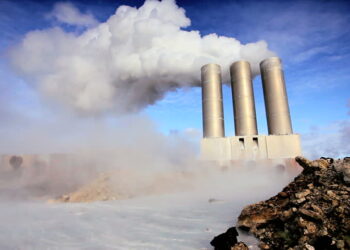
Geothermal plants provide the steady heat needed for carbon capture processes. In return, the injected $CO_2$ can sometimes be used to help extract more heat from the earth.
B. Solar-Powered Direct Air Capture
Building DAC plants in sunny, arid regions allows them to run on cheap, abundant solar power. This maximizes the net-negative impact of the facility.
C. Wind-to-Carbon Systems
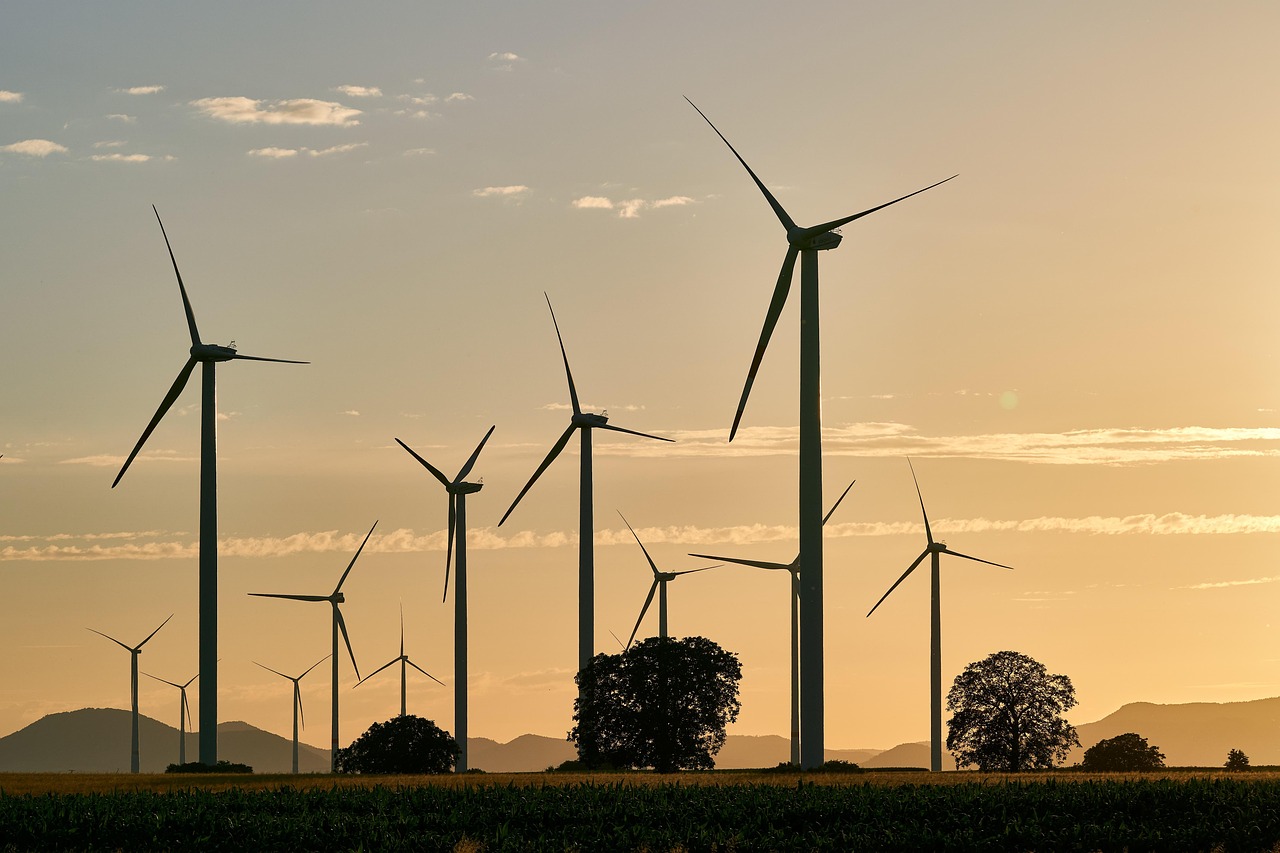
Offshore wind farms can power capture systems that pull carbon from the ocean or the air. This turns excess wind energy into a valuable environmental service.
Monitoring, Reporting, and Verification (MRV)
Investors need to be sure that the carbon they paid to remove actually stays removed. This requires a robust system of “carbon accounting.”
A. Satellite Monitoring of Forest Sinks
High-resolution satellites can track tree growth and detect forest fires or illegal logging in real-time. This ensures that nature-based credits are based on actual, living trees.
B. Subsurface Sensor Networks
Sensors placed in storage wells monitor pressure and gas concentration to detect any leaks. This provides the “proof of storage” required by regulators and investors.
C. Blockchain for Carbon Credit Transparency
Using a decentralized ledger prevents the “double-counting” of carbon credits. It ensures that once a ton of carbon is retired, it cannot be sold again to another company.
Conclusion
Sustainable investment in carbon sequestration technologies is a fundamental pillar of modern climate science. The variety of methods available allows for a flexible approach to different industrial and geographic challenges. Direct Air Capture remains a high-potential technology that requires further cost reduction through scale. Nature-based solutions provide immediate benefits but require careful management to ensure long-term permanence. Geological storage is a proven method for trapping carbon for thousands of years within the Earth’s crust.
Financial markets are evolving to place a higher value on verified carbon removal than ever before. Advanced materials like MOFs and graphene are set to significantly lower the energy cost of capture. Building the necessary pipeline infrastructure is a major logistical task that requires international cooperation. Public trust and transparency are just as important as the engineering behind the storage sites themselves. Ocean-based sequestration offers a vast frontier for research and potential large-scale climate impact. Renewable energy integration is the key to making these technologies truly carbon-negative in practice.
Rigorous monitoring and verification systems are essential for maintaining the integrity of carbon markets. The transition to a net-zero economy creates a unique opportunity for high-impact venture capital. Corporate responsibility is moving beyond simple offsets toward active participation in the carbon economy. Policy support and tax incentives are currently the strongest drivers of new project development globally. Technological innovation in this field is moving fast enough to change the economic landscape every year. Ultimately, carbon sequestration represents a bridge between our industrial past and a sustainable future.