
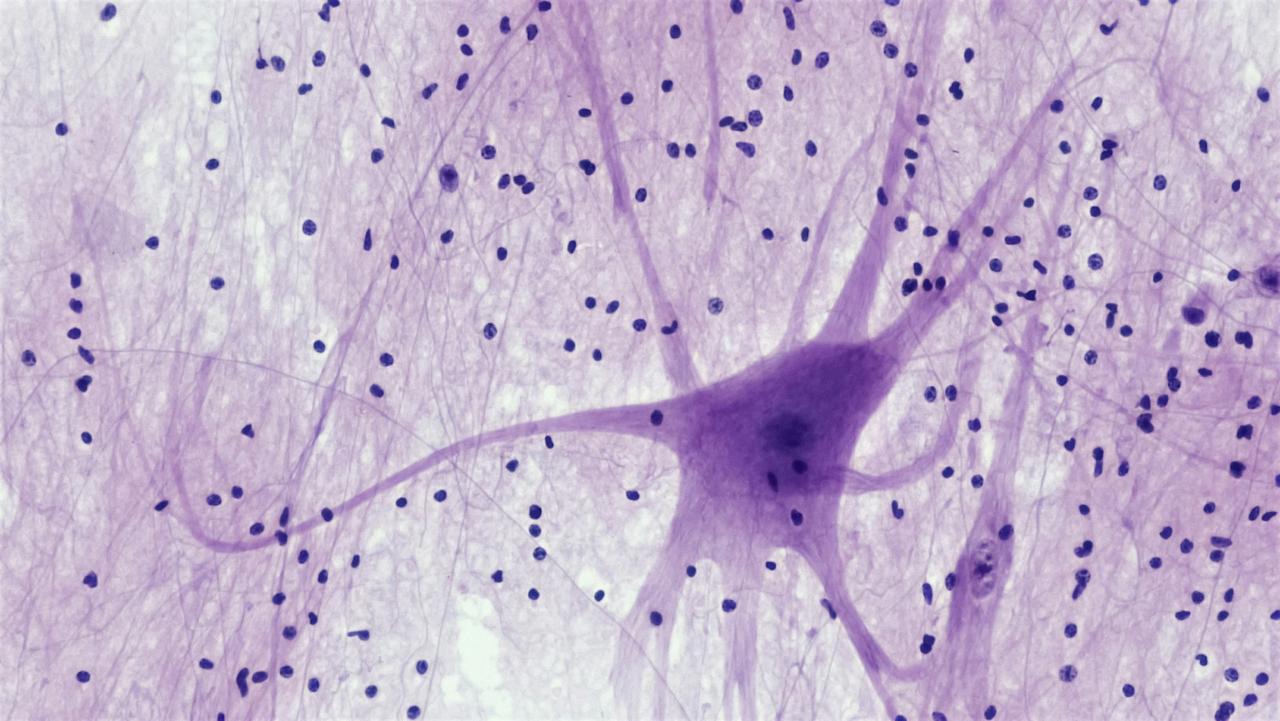
The human brain is arguably the most complex structure in the known universe, acting as a dynamic command center that constantly rewires itself in response to new experiences. At the heart of this incredible adaptability lies a biological phenomenon known as synaptic plasticity, which allows our neurons to strengthen or weaken their connections over time.
For decades, scientists believed the brain was a static organ once it reached adulthood, but modern neurobiology has shattered that myth, proving that we possess the potential for cognitive growth throughout our entire lives. Understanding how these microscopic adjustments occur is the key to unlocking the secrets of memory formation, learning efficiency, and even the prevention of age-related cognitive decline.
As we delve into the molecular mechanisms that drive these changes, we discover a world where chemical signals and electrical impulses dance in perfect harmony to store our most precious life moments. This exploration is not just academic; it has profound implications for how we optimize our daily habits to boost mental clarity and long-term retention.
By mastering the principles of brain plasticity, we can essentially “upgrade” our internal hardware to meet the demands of a high-information era. In this comprehensive guide, we will break down the complex science of the mind into digestible concepts that show you exactly how your brain learns to remember.
A. The Fundamentals of Synaptic Transmission
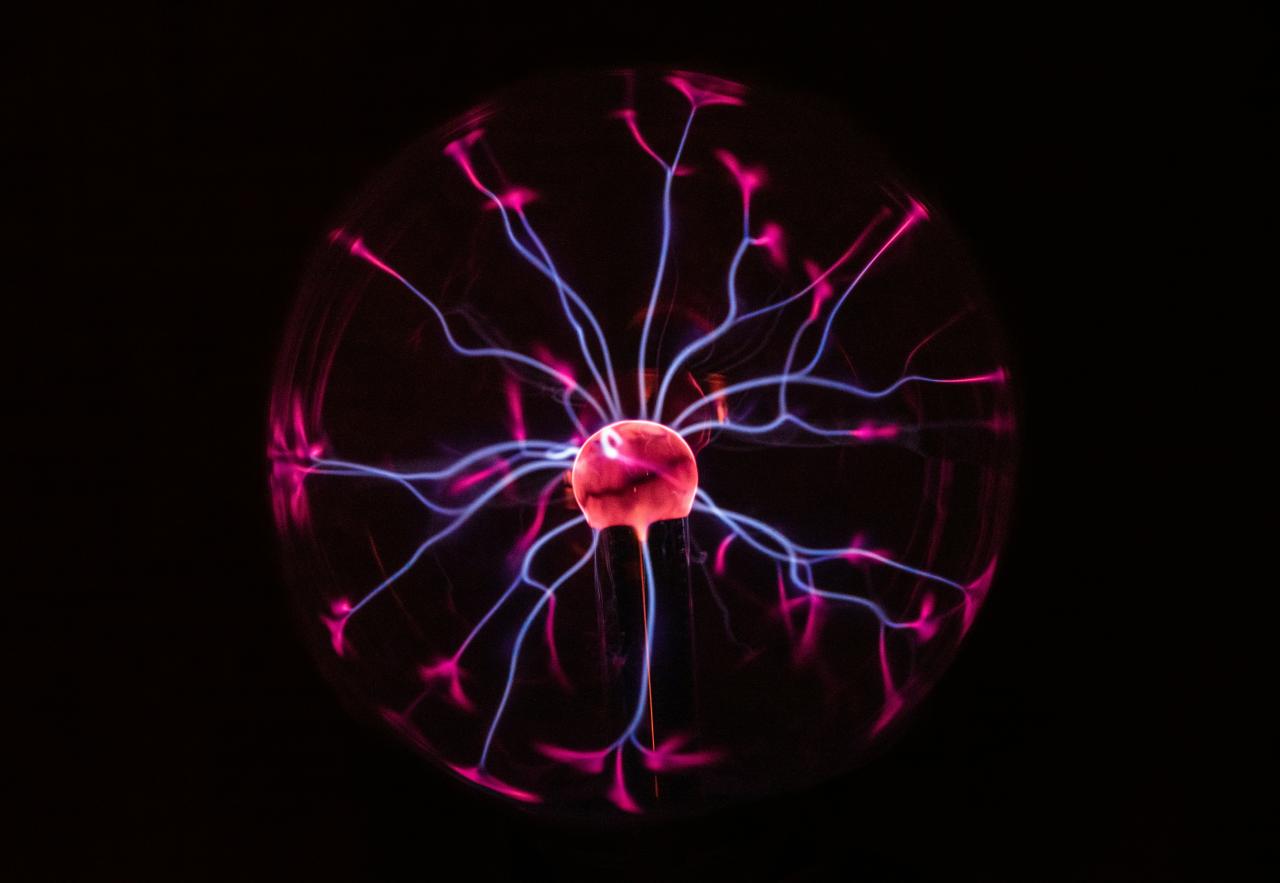
Before we can understand how the brain changes, we must look at how it communicates on a basic level.
Neurons talk to each other across tiny gaps called synapses, using chemical messengers known as neurotransmitters.
When an electrical signal reaches the end of one neuron, it triggers the release of these chemicals to bridge the gap.
Neurotransmitter Release: Chemicals like glutamate or GABA are packed into vesicles and released into the synaptic cleft.
Receptor Binding: These chemicals latch onto specific docking sites on the neighboring neuron to pass the message along.
Signal Termination: The brain quickly cleans up these chemicals to prevent the system from getting “stuck” in an active state.
B. Long-Term Potentiation (LTP) Explained
LTP is the cellular basis of memory, often described by the phrase “neurons that fire together, wire together.”
When two neurons communicate frequently and intensely, the connection between them becomes physically stronger and more efficient.
This process increases the sensitivity of the receiving neuron, making it more likely to fire in response to future signals.
AMPA Receptor Insertion: During LTP, more receptors are moved to the cell surface to catch more incoming signals.
Increased Sensitivity: The synapse becomes “potentiated,” meaning it requires less effort to send a successful message.
Structural Growth: Repeated stimulation can lead to the physical growth of new synaptic connections.
C. Long-Term Depression (LTD) and Brain Pruning
Just as important as strengthening connections is the ability to weaken or remove the ones we no longer need.
LTD is the process where synaptic strength decreases, allowing the brain to clear out “noise” and make room for new data.
Without this balance, our neural networks would become oversaturated, making it impossible to distinguish important memories from trivial details.
Synaptic Scaling: The brain adjusts the overall strength of all synapses to maintain a stable level of activity.
Memory Erasure: LTD helps in the forgetting process, which is actually a vital function of a healthy brain.
Circuit Refinement: By weakening unused paths, the brain becomes a more efficient processing machine.
D. The Role of Neurogenesis in the Adult Brain
Contrary to old beliefs, the adult brain can actually grow brand-new neurons in a process called neurogenesis.
This primarily occurs in the hippocampus, a region of the brain that is absolutely essential for forming new memories.
Activities like aerobic exercise and deep learning have been shown to stimulate the production of these fresh brain cells.
Hippocampal Growth: This area acts as a “gateway” for new information before it is stored in the long-term cortex.
Neural Integration: New neurons must be successfully integrated into existing circuits to survive and function.
Survival Factors: Brain-Derived Neurotrophic Factor (BDNF) acts like “fertilizer” for these new cells.
E. Sleep and Memory Consolidation
Sleep is not just a period of rest; it is the time when the brain performs its most critical maintenance work.
During deep sleep and REM cycles, the brain replays the day’s experiences to move them from temporary to permanent storage.
Lack of sleep literally prevents the molecular “glue” of memory from setting properly, leading to significant forgetfulness.
System Consolidation: Memories move from the fragile hippocampus to the more stable neocortex for long-term safekeeping.
Synaptic Downscaling: Sleep helps reset the brain’s baseline activity so it is ready to learn again the next day.
Toxic Waste Clearance: The glymphatic system flushes out metabolic waste that can interfere with neural signaling.
F. Impact of Nutrition and Nootropics
What we eat provides the raw materials needed for building neurotransmitters and maintaining healthy cell membranes.
Omega-3 fatty acids, for example, are essential components of the fatty sheaths that insulate our neural wiring.
Specific compounds known as nootropics can support these processes by increasing blood flow or protecting neurons from oxidative stress.
Choline Sources: Found in eggs and fish, this is a precursor to acetylcholine, a key neurotransmitter for focus.
Antioxidant Protection: Berries and dark chocolate contain flavonoids that protect synapses from damage.
Hydration Levels: Even mild dehydration can shrink brain tissue and slow down synaptic firing speeds.
G. Stress, Cortisol, and Cognitive Interference
While a little bit of stress can help us focus, chronic stress is one of the greatest enemies of synaptic plasticity.
High levels of the hormone cortisol can actually shrink the hippocampus and inhibit the growth of new connections.
Learning how to manage the “fight or flight” response is a biological necessity for anyone looking to maintain a sharp mind.
Dendritic Atrophy: High stress causes the “branches” of neurons to wither away, reducing their ability to connect.
Prefrontal Cortex Inhibition: Stress shifts activity away from logical thinking centers toward primitive survival centers.
Inflammatory Response: Chronic stress creates low-level brain inflammation that degrades synaptic health over time.
H. The Power of Cognitive Reserve
Cognitive reserve refers to the brain’s ability to improvise and find alternate ways of getting a job done.
People with high cognitive reserve can often function normally even if they have some underlying brain damage or aging.
Building this reserve is achieved through a lifetime of mental stimulation, such as learning languages or playing musical instruments.
Neural Redundancy: Having multiple pathways for the same information makes the brain more resilient.
Mental Flexibility: Challenging the brain with new types of puzzles keeps the plastic mechanisms active.
Social Engagement: Complex social interactions are among the most taxing and beneficial activities for the brain.
I. Epigenetics and Memory Inheritance
Recent studies suggest that our life experiences can leave “tags” on our DNA that influence how our brain functions.
These epigenetic changes don’t alter the genetic code itself, but they dictate which genes are turned on or off.
This means that our lifestyle choices today could potentially influence the cognitive health of our future generations.
Histone Modification: Changes in how DNA is wrapped can make it easier or harder for brain-building genes to express.
Environmental Influence: Everything from air quality to emotional support can leave an epigenetic mark.
Transgenerational Plasticity: The study of how the “memory” of stress or learning might be passed down biologically.
J. Future Breakthroughs in Brain-Computer Interfaces
As we understand plasticity better, we are beginning to develop technology that can “jumpstart” the brain’s natural abilities.
Non-invasive brain stimulation and computer interfaces are currently being tested to help stroke victims and those with memory loss.
The future of neurobiology likely involves a blend of biological optimization and technological assistance to reach peak performance.
Transcranial Direct Current Stimulation (tDCS): Using tiny electrical currents to make neurons more likely to fire.
Neurofeedback: Training individuals to control their own brainwave patterns to improve focus and calm.
Neural Implants: Direct connections that could one day bypass damaged areas of the brain entirely.
The Molecular Dance of Human Intelligence
Our ability to think and learn is rooted in the physical movement of ions and proteins.
Every thought you have is supported by a massive infrastructure of biological support cells.
The brain is constantly auditing its own connections to ensure maximum efficiency for survival.
By understanding this process, we can take active steps to protect our mental longevity.
A healthy brain is a result of both genetic potential and daily environmental choices.
Plasticity remains the most hopeful discovery in the history of modern medical science.
We are the primary architects of our own neural landscape through the habits we choose.
The journey to a better memory is paved with science-backed lifestyle improvements.
Conclusion
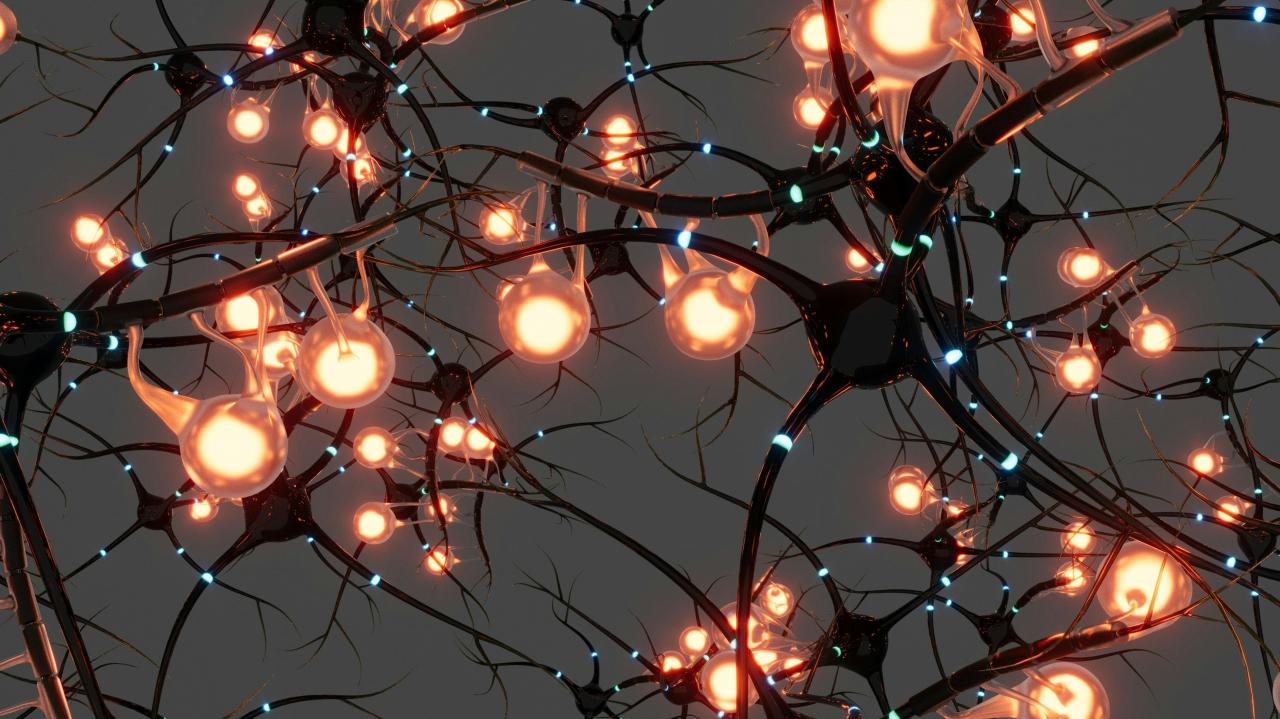
Your brain is a living organ that never stops evolving until your final breath. Embracing the science of plasticity allows you to take control of your cognitive destiny. Consistent mental challenge is the best way to keep your synaptic connections strong and healthy. Never underestimate the power of physical health in maintaining a high-functioning mind.
The balance between learning and forgetting is what makes us intelligent human beings. Future medical breakthroughs will likely focus on enhancing these natural plastic processes. A mind that stays curious is a mind that stays young and vibrant for a lifetime. Protect your synapses today to ensure a clearer and more focused version of yourself tomorrow.