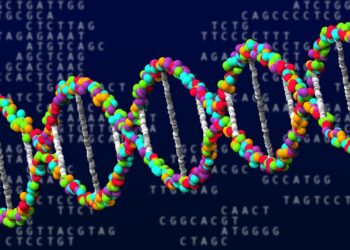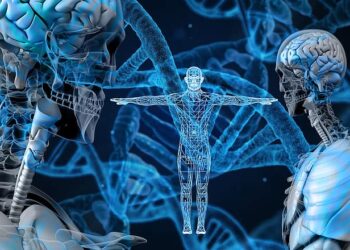

The transition from broad-spectrum medicine to precision genomics represents one of the most significant leaps in human history. We are shifting our focus from merely treating symptoms to correcting the fundamental code of life itself. For decades, the medical community relied on “one-size-fits-all” pharmaceuticals that often resulted in varied efficacy and significant side effects. Today, the rise of precision therapeutics allows clinicians to tailor treatments to the specific genetic makeup of an individual. This ensures that the right medicine reaches the right patient at the exact right time. This evolution is driven by the plummeting cost of DNA sequencing and the incredible accuracy of gene-editing tools.
As we move further into this era of personalized medicine, the boundaries between biology and data science are dissolving. These advancements are not just theoretical; they are already resulting in “functional cures” for diseases previously considered death sentences. For the biotechnology industry, this shift requires a complete reimagining of the drug discovery pipeline. This article explores the strategic frameworks and technological breakthroughs making precision genomic therapeutics the cornerstone of the next century of medicine.
The Molecular Architecture of Gene Editing
At the heart of the precision revolution is the ability to interact with the human genome with surgical ease. This “biologic programming” is made possible by several key technologies that have moved from the lab to clinical trials in record time.
Understanding the mechanics of these tools is essential for any stakeholder looking to grasp how biotechnology is currently being disrupted. Each tool has its own strengths, from permanent deletions to temporary modifications of gene expression.
A. CRISPR-Cas9 and the Dawn of Molecular Scissors
This technology allows for the precise cutting of DNA sequences, enabling scientists to “knock out” harmful genes or insert healthy ones. Its simplicity and low cost have made it the global gold standard for genomic research.
B. Base and Prime Editing for High Precision
While standard CRISPR can sometimes be imprecise, base editing allows for the changing of a single “letter” of DNA without breaking the strand. This is critical for treating diseases caused by single-point mutations in the genetic code.
C. Viral and Non-Viral Delivery Vehicles
Getting the editing tools into the right cells remains a major challenge in the field. Scientists are using modified viruses or lipid nanoparticles to “package” the treatment and deliver it safely to the target organ.
D. Epigenetic Modification without DNA Alteration
Sometimes, we do not need to change the DNA itself, but just turn it “on” or “off.” Epigenetic therapy targets the proteins surrounding the DNA, providing a reversible way to treat chronic conditions.
E. In Vivo vs. Ex Vivo Therapeutic Approaches
Some treatments involve removing a patient’s cells, editing them in a lab, and re-inserting them. Others involve injecting the treatment directly into the patient’s body to fix the cells where they live.
Accelerating Drug Discovery with AI and Big Data
The “trial and error” era of drug discovery is being replaced by sophisticated “In Silico” modeling. Artificial intelligence now predicts how a drug will interact with the human body before a single molecule is ever synthesized.
This synergy between biology and data science is drastically reducing the “time-to-clinic” for new therapeutics. By analyzing vast genomic databases, AI can identify “druggable targets” that were previously invisible to human researchers.
A. Predictive Protein Folding with AlphaFold
Understanding the shape of a protein is the key to designing drugs that bind to it. AI has essentially solved the “protein folding problem,” allowing biotech firms to design custom proteins for specific therapeutic goals.
B. High-Throughput Genomic Screening
Automated labs can now test thousands of genetic variations simultaneously to see which ones respond to a specific treatment. This generates the massive datasets needed to train even smarter and more accurate AI models.
C. Digital Twins for Clinical Trial Simulation
Before testing a drug on humans, researchers can create “digital twins” of patients to simulate the trial in a virtual environment. This helps in identifying potential side effects and selecting the most likely responders.
D. Biomarker Discovery for Patient Stratification
Not every patient with the same diagnosis has the same disease at a molecular level. AI identifies biomarkers that tell doctors exactly which sub-group of patients will benefit from a specific genomic therapy.
E. Natural Language Processing for Medical Literature
AI can read and summarize millions of research papers to find hidden connections between different diseases. This “cross-pollination” of ideas is leading to new uses for existing drugs through repositioning.
The Rise of Cell and Gene Therapy (CGT)
Cell and gene therapies are the “living drugs” of the future. In these treatments, the patient’s own immune system is often reprogrammed to fight disease more effectively.
This is most notably seen in the field of oncology with CAR-T cell therapy. These treatments are often “one-and-done,” meaning they provide a long-term cure rather than requiring a lifetime of daily pills.
A. CAR-T and CAR-NK Immuno-Oncology
By adding a “Chimeric Antigen Receptor” to a patient’s T-cells, clinicians can teach the immune system to recognize and destroy cancer cells. This method offers pinpoint accuracy that traditional chemotherapy lacks.
B. Stem Cell Regeneration and Tissue Engineering
Pluripotent stem cells can be turned into any cell type in the body. This is opening the door to regenerating damaged heart tissue or even “growing” new organs in the lab for future transplants.
C. Gene Augmentation for Rare Genetic Disorders
For diseases like spinal muscular atrophy, a single healthy gene can be delivered to replace a missing or broken one. This results in life-changing improvements for patients who previously had no medical options.
D. RNA-Based Therapeutics and mRNA Vaccines
The success of recent global vaccines proved that mRNA can be used as a set of instructions for the body. This tech is now being applied to cancer vaccines and permanent treatments for heart disease.
E. Microbiome Engineering for Systemic Health
The bacteria in our gut have a profound impact on our overall health. Precision biotech is now being used to “edit” the microbiome to treat everything from obesity to chronic depression.
Solving the Scale-Up and Manufacturing Challenge
A miracle cure is useless if it cannot be manufactured reliably and affordably for millions of people. The manufacturing of biologic drugs is infinitely more complex than making chemical pills.
Biotech firms are now investing heavily in “bioprocessing” technology to ensure these sensitive treatments can be mass-produced. This is the industrial backbone of the precision medicine era.
A. Single-Use Bioreactors and Modular Labs
Traditional stainless-steel tanks are being replaced by disposable plastic systems. This allows for faster turnover between batches and reduces the risk of cross-contamination in the lab.
B. Automated Cell Processing and Sorting
Scaling cell therapy requires robots that can handle live human cells with extreme care. Automation reduces the cost of “bespoke” medicine, making it accessible to a much wider range of the population.
C. Cold Chain Logistics and Cryogenic Storage
Many gene therapies must be kept at ultra-low temperatures from the lab to the hospital. Innovations in “smart packaging” and IoT tracking are ensuring these life-saving products are never compromised.
D. Continuous Manufacturing vs. Batch Processing
Instead of making medicine in separate batches, new systems allow for a continuous flow of production. This increases efficiency and allows for better real-time quality control of the biologics.
E. Point-of-Care Manufacturing Systems
In the future, some cell therapies may be “manufactured” right at the hospital where the patient is staying. This removes the need for complex logistics and allows for truly instant personalized medicine.
Ethics and the Future of Human Enhancement
As we gain the power to edit the human code, we must also confront deep ethical questions. The line between “therapy” and “enhancement” is becoming increasingly blurred.
Society must decide where to draw the line to prevent a “genetic divide” between those who can afford enhancements and those who cannot. Global regulations are currently catching up with the speed of laboratory innovation.
A. Germline vs. Somatic Cell Editing
Editing somatic cells only affects the patient, but germline editing changes the DNA of future generations. This remains one of the most controversial topics in modern bioethics today.
B. Equity of Access in Genomic Medicine
These treatments are currently incredibly expensive. Ensuring that precision medicine is available to everyone, regardless of their wealth, is a major goal for global health organizations.
C. Informed Consent in the Genomic Age
Patients must fully understand the permanent nature of genetic changes. As the science becomes more complex, the process of explaining risks and benefits becomes more challenging for doctors.
D. Regulatory Frameworks for Living Drugs
The FDA and other agencies are creating new pathways for “N-of-1” trials. This allows for the testing of drugs designed for a single specific individual on earth.
E. Preventing the Rise of “Genetic Discrimination”
Laws must be strengthened to prevent insurance companies or employers from using genetic data against people. Protecting genomic privacy is essential for maintaining public trust in these new technologies.
Genomic Data Security and Privacy
The data generated by precision medicine is the most sensitive information a human can possess. Protecting this “biological blueprint” from hackers is a top priority for biotech firms.
Blockchain and decentralized storage are being explored as ways to give patients total control over their own genetic data. This ensures that the data can be used for research without compromising the individual’s identity.
A. Encrypted Genomic Databases
Using advanced encryption, researchers can analyze trends in DNA without ever seeing the names of the patients. This “anonymized” data is the fuel that drives new medical discoveries.
B. Patient-Owned Data Sovereignty
In the future, you may hold your genetic sequence on a secure digital wallet. You would then “rent” access to this data to researchers in exchange for micropayments or personalized health tips.
C. Cybersecurity for Networked Labs
As labs become more automated and connected, they become targets for industrial espionage. Protecting the “recipes” for new gene therapies is vital for the economic survival of biotech firms.
D. Interoperability of Health Records
For precision medicine to work, genomic data must be integrated into standard electronic health records. This allows your primary care doctor to see your genetic risks in real-time.
E. AI-Driven Data Auditing
AI systems are now used to monitor who is accessing genomic data and why. This adds an extra layer of protection against unauthorized use of sensitive biological information.
The Role of Synthetic Biology
Synthetic biology takes precision genomics a step further by creating entirely new biological parts. We are no longer just “editing” nature; we are “building” with it to solve human problems.
From “bio-foundries” that grow sustainable fabrics to microbes that eat plastic, synthetic biology is a massive market. It applies engineering principles to the messy world of biology to create predictable results.
A. Custom Microbes for Industrial Production
We can now program yeast to produce silk, vanilla, or even jet fuel. This “bio-manufacturing” is much cleaner and more sustainable than traditional chemical factories.
B. Bio-Sensors for Environmental Monitoring
Synthetic plants can be designed to change color when they detect toxic chemicals in the soil. This provides a low-cost and highly effective way to monitor environmental health.
C. The Creation of Minimal Synthetic Genomes
By stripping a cell down to its bare essentials, scientists can create a “blank slate” for bio-engineering. This allows for the creation of highly efficient biological machines.
D. Bio-Computation and Living Computers
DNA is the most efficient data storage medium in the universe. Scientists are working on ways to use DNA to store the world’s digital data for thousands of years.
E. Agricultural Resilience through Synthetic Biology
We can design crops that can grow in salt water or survive extreme heat. This is essential for ensuring food security as the global climate continues to change.
Patient Advocacy and the Power of Community
In the world of rare diseases, patient advocacy groups are often the ones driving the research. They provide the funding and the “natural history studies” that biotech firms need to start clinical trials.
The relationship between patients and researchers is becoming a partnership. This ensures that the therapies being developed are actually addressing the issues that matter most to the patients.
A. Patient-Led Research Consortiums
Families are pooling their data and money to hire their own scientists. This “bottom-up” approach is leading to breakthroughs in diseases that were ignored by big pharma.
B. Crowdfunding for “Compassionate Use” Trials
Social media allows families to raise the millions of dollars needed for custom gene therapies. This has saved the lives of many children with ultra-rare genetic conditions.
C. The Importance of Patient Registries
A registry is a database of everyone with a specific disease. It allows researchers to quickly find participants for clinical trials, cutting years off the development timeline.
D. Advocating for Insurance Coverage
Advocacy groups work with governments to ensure that these million-dollar cures are covered by insurance. They argue that a one-time cure is cheaper than a lifetime of hospitalizations.
E. The Patient Voice in Regulatory Decisions
The FDA now includes patient representatives in its advisory committees. This ensures that the “lived experience” of the disease is considered when evaluating the risks of a new therapy.
The Global Landscape of Biotech Innovation
Biotechnology is a global race, with major hubs emerging in the US, Europe, and Asia. Each region has its own strengths and regulatory philosophies that shape the direction of the science.
Collaboration across borders is essential for solving the world’s biggest health challenges. However, competition for talent and intellectual property remains intense as nations realize the economic value of genomics.
A. The Silicon Valley of Biotech (Boston and San Francisco)
The US remains the leader in basic research and venture capital funding. The proximity of elite universities to major hospitals creates a “virtuous cycle” of innovation.
B. European Excellence in Cell and Gene Therapy
Europe has a long history of excellence in clinical trials and public health research. Countries like Switzerland and Germany are home to some of the world’s largest biotech firms.
C. Asia’s Rapid Rise in Genomic Sequencing
China and South Korea have invested billions in massive sequencing centers. They are now leaders in the “big data” side of genomics, processing millions of genomes every year.
D. The Importance of Global Clinical Trials
To ensure a drug works for everyone, it must be tested on diverse populations. Global trials help in identifying genetic variations that might make a drug less effective in certain groups.
E. Cross-Border Partnerships and Mergers
Big pharma companies often buy smaller biotech startups to fill their “innovation pipelines.” This global flow of capital and ideas is what keeps the industry moving forward.
Conclusion

Precision genomic therapeutics represent the absolute peak of modern medical achievement and human ingenuity. The move toward personalized medicine is saving lives and transforming our understanding of health. Artificial intelligence is the indispensable partner that allows us to decode the vast complexity of DNA. Cell and gene therapies offer the incredible promise of permanent cures for previously incurable diseases. Manufacturing and scale-up remain the final hurdles to making these miracles available to everyone. Ethical frameworks must grow alongside the technology to ensure we use this power responsibly.
Data privacy is the foundation of trust between the patient and the biotechnology industry. Synthetic biology is expanding the reach of biotech far beyond the walls of the hospital. Patient advocacy is a powerful force that ensures research remains focused on real human needs. Global collaboration is necessary to tackle the diseases that affect all of humanity equally. The transition from symptom management to genetic cures is an irreversible shift in healthcare. We are just at the very beginning of what is possible in the age of the genome. Innovation in this field will define the quality of human life for generations to come.