
Introduction: From Universal Treatment to Individualized Care
For the better part of the last century, medical practice operated largely under a one-size-fits-all model, where treatments and drug dosages were standardized based on large population studies. This approach, while effective in many areas, inherently failed to account for the extraordinary biological diversity among human beings. It often led to situations where a standard medication would work wonders for one patient but prove ineffective or even toxic for another, a mystery long attributed to individual constitution or “luck.” However, this randomness began to resolve itself with the realization that the key to these differences lies within the unique sequence of over three billion base pairs encoded in each person’s genome.
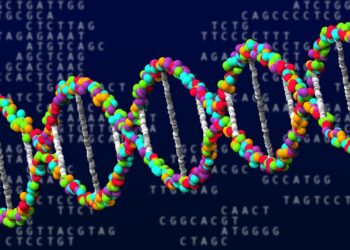
The successful sequencing of the entire Human Genome in 2003 marked a fundamental turning point, transitioning biology from a descriptive science to an informational science. This achievement provided the complete blueprint of human life, transforming medicine from a reactive discipline, which treats disease after it occurs, to a proactive, predictive discipline focused on prevention and individual risk assessment. By understanding the minute variations within an individual’s DNA—the genetic typos, mutations, and structural differences—scientists can now begin to explain why certain people are more susceptible to specific diseases or how they will metabolize particular drugs.
This revolutionary field, known as Genomics, is the foundation of Personalized Medicine, a paradigm shift that promises to tailor healthcare decisions, drug selections, and preventative strategies to an individual’s unique genetic code. It represents the ultimate fusion of big data, advanced computational biology, and clinical practice. This comprehensive exploration will delve into the scientific breakthroughs that allowed us to decode the genome, examine the primary areas where genomic insights are transforming drug efficacy and disease prediction, and discuss the profound ethical and practical challenges of implementing this highly individualized approach to health across the global population.
Section 1: The Genome Sequencing Revolution
The completion of the Human Genome Project (HGP) and the subsequent development of faster, cheaper sequencing technologies are the engine driving Personalized Medicine.
A. The Human Genome Project (HGP)
The HGP was a monumental, international undertaking that laid the foundational data for all modern genomics.
A. The Blueprint: Completed in 2003, the HGP provided the first complete, high-quality reference sequence of the roughly 3.2 billion base pairs that make up human DNA.
B. Massive Cost and Time: The initial project took over a decade and cost nearly $3 billion, highlighting the immense technical challenge of the original sequencing process.
C. The Reference Sequence: The resulting sequence is a composite, serving as a standard against which all individual human genomes are now compared to identify variations.
B. Next-Generation Sequencing (NGS)
The advent of Next-Generation Sequencing (NGS) technologies drastically reduced the time and cost required to sequence DNA, making genomic data accessible to clinical research.
A. Massively Parallel: NGS technologies sequence millions of DNA fragments simultaneously, a process known as massively parallel sequencing, leading to incredible speed and efficiency gains.
B. Cost Reduction: The cost of sequencing a human genome has dropped from billions of dollars to less than $1,000 in just two decades. This dramatic reduction is often cited as advancing faster than Moore’s Law.
C. Clinical Accessibility: This affordability means that genomic sequencing is no longer just a research tool but is rapidly becoming a clinical diagnostic tool used in hospitals worldwide.
D. Types of Sequencing: Modern sequencing includes methods like Whole Genome Sequencing (WGS), which reads all billion base pairs, and Whole Exome Sequencing (WES), which focuses only on the of the genome that codes for proteins (the exome).
Section 2: Pharmacogenomics: Tailoring Drug Therapy
One of the most immediate and impactful applications of genomics is Pharmacogenomics, the study of how an individual’s genes affect their response to drugs.
A. Predicting Drug Metabolism
Genetic variations can dramatically alter how quickly or slowly the body processes and eliminates therapeutic drugs.
A. Enzyme Variability: Genes code for enzymes, primarily in the liver, that metabolize drugs. Variations in these genes (e.g., in the Cytochrome P450 family) can lead to enzymes that are either hyper-active or hypo-active.
B. Poor Metabolizers: Individuals with hypo-active enzymes are poor metabolizers, meaning the drug remains in their system longer, potentially reaching toxic levels at standard dosages.
C. Ultra-Rapid Metabolizers: Individuals with hyper-active enzymes are ultra-rapid metabolizers, breaking down the drug too quickly before it can reach a therapeutic concentration, rendering the treatment ineffective.
B. Optimizing Treatment Dosage
Genomic testing allows clinicians to choose the right drug and the optimal dose from the start, avoiding the trial-and-error approach.
A. Reducing Adverse Reactions: By identifying individuals who are poor metabolizers, doctors can prescribe a lower starting dose of drugs like certain anticoagulants or antidepressants, drastically reducing the risk of severe adverse drug reactions (ADRs).
B. Improving Efficacy: For ultra-rapid metabolizers, doctors can prescribe a higher dose or, more often, switch to an entirely different drug that is metabolized by a different pathway, ensuring the patient receives effective treatment.
C. Key Drug Examples: Pharmacogenomics testing is now standard practice for certain drugs, including the anticoagulant Warfarin, the HIV drug Abacavir (where a specific gene variant can cause a hypersensitivity reaction), and some common chemotherapy agents.
D. The Right Choice: This approach means the patient receives the right drug, at the right dose, at the right time, based on their unique biological makeup.
Section 3: Predictive and Preventive Medicine

Genomics is shifting the focus of healthcare toward prediction and prevention, identifying risks long before symptoms manifest.
A. Assessing Monogenic Disease Risk
For diseases caused by a mutation in a single gene (monogenic diseases), genomic testing can provide a high degree of certainty regarding risk.
A. Inherited Disorders: Examples include Huntington’s disease, Cystic Fibrosis, and Tay-Sachs disease, where a known mutation in a specific gene is sufficient to cause the illness.
B. Early Intervention: Pre-symptomatic testing allows individuals who test positive for a high-risk mutation to engage in immediate, intensive preventative measures or surveillance.
C. Reproductive Choices: Genetic testing provides crucial information for family planning, allowing prospective parents to understand the risks of passing on certain inherited conditions.
B. Polygenic Risk Scores (PRS)
Most common chronic diseases, such as heart disease, diabetes, and many cancers, are influenced by hundreds or thousands of different genes (polygenic diseases).
A. Risk Summation: A Polygenic Risk Score (PRS) is a calculation that aggregates the effects of thousands of genetic variants across the genome to estimate an individual’s genetic predisposition to a specific common disease.
B. Lifestyle Modification: A high PRS for Type 2 diabetes or heart disease, for instance, provides a powerful and personalized motivation for the individual to adopt rigorous lifestyle changes (diet, exercise) that can mitigate their genetic risk.
C. Screening Customization: A high PRS for breast cancer may lead a woman to begin mammogram screening at an earlier age or undergo more frequent screening than is recommended for the general population.
D. Limitations: PRSs only indicate risk, not destiny. Environmental and lifestyle factors always interact with genetics to determine the final outcome.
Section 4: Genomics in Oncology (Cancer Treatment)
Cancer is fundamentally a disease of the genome, caused by accumulated somatic (non-inherited) mutations, making oncology a primary field for personalized medicine.
A. Tumor Profiling and Diagnostics
Sequencing the DNA of a patient’s tumor is now standard practice, moving away from classifying cancer solely by its origin organ.
A. Identifying Driver Mutations: Tumor profiling identifies the specific driver mutations—the genetic errors that are actively causing the cancer cells to grow and divide uncontrollably.
B. New Classification: Cancers are increasingly classified by their molecular signature (e.g., “a tumor with a mutation”) rather than just their location (e.g., “lung cancer”).
C. Minimal Residual Disease (MRD): Genomic sequencing of blood samples can detect fragments of tumor DNA (circulating tumor DNA or ctDNA) that remain after surgery or treatment, allowing for ultra-sensitive monitoring of disease recurrence.
B. Targeted Therapies
Once the driver mutation is identified, doctors can select a drug specifically engineered to block the protein produced by that faulty gene.
A. Molecular Targeting: These are often called targeted therapies. For example, a cancer with a specific amplification can be treated with Trastuzumab (Herceptin), which precisely blocks the signaling pathway caused by that genetic error.
B. Immuno-Oncology Biomarkers: Genomic analysis is also critical for predicting a patient’s response to immunotherapy, identifying biomarkers (such as tumor mutational burden or microsatellite instability) that indicate the tumor is likely to respond well to immune checkpoint inhibitors.
C. Reducing Toxicity: Targeted therapies are often much less toxic than traditional chemotherapy, as they only affect the cancer cells with the specific mutation, sparing healthy cells.
D. Adaptive Treatment: If a tumor develops resistance to a targeted drug, re-sequencing the tumor can identify the new mutation that caused the resistance, allowing doctors to switch to a different, more effective second-line drug.
Section 5: Ethical, Social, and Practical Challenges
The implementation of Personalized Medicine is not merely a scientific hurdle; it involves significant ethical, regulatory, and systemic challenges.
A. Privacy and Data Security (ELSI)
The highly personal and sensitive nature of genomic data necessitates robust protections against misuse.
A. Genetic Information Nondiscrimination Act (GINA): In the United States, GINA prevents health insurers and employers from discriminating against individuals based on their genetic information, but this protection does not always extend to life insurance or disability insurance.
B. Data Sharing Paradox: Scientific progress relies on sharing large genomic datasets, but this sharing creates a risk of re-identification, where individuals could potentially be identified from their anonymized genomic data.
C. Informed Consent: Obtaining truly informed consent is complex. Patients must understand not only the immediate implications of their test results but also the uncertain, long-term implications for themselves and their family members.
B. Health Equity and Access
Ensuring that the benefits of Personalized Medicine are distributed fairly across all populations is a critical challenge.
A. Population Bias: The vast majority of genomic data currently available comes from individuals of European descent. This underrepresentation of minority groups means that Polygenic Risk Scores and pharmacogenomic predictions may be less accurate for non-European populations.
B. Cost Barrier: Although sequencing costs have dropped, the cost of downstream genetic counseling, specialized drug therapies, and advanced screening protocols can be prohibitive, exacerbating existing health disparities.
C. Healthcare Integration: Integrating complex genomic testing and interpretation into routine primary care practice requires significant investment in training doctors, nurses, and genetic counselors who can explain the results to patients.
C. Clinical Interpretation and Uncertainty
The sheer volume of data produced by WGS can overwhelm clinicians and often reveals information of uncertain clinical significance.
A. Variants of Unknown Significance (VUS): Sequencing often identifies numerous genetic changes called VUS, whose relationship to disease is currently unknown. Reporting these VUS can create anxiety for patients without providing actionable medical information.
B. Incidental Findings: Sequencing for one condition (e.g., cancer risk) may accidentally reveal a high risk for an unrelated condition (e.g., Alzheimer’s). Decisions must be made about whether and how to report these incidental findings.
C. Dynamic Knowledge: The clinical significance of a gene variant can change over time as more research is published. Managing and communicating this dynamic knowledge back to patients is a huge logistical challenge for healthcare systems.
Conclusion: The Future Is Individualized

Decoding the human genome has irrevocably changed the landscape of medicine, moving us from general population averages to the specific molecular reality of the individual patient. This transformation is driven by the plummeting cost and speed of modern sequencing technology.
Pharmacogenomics is rapidly becoming standard practice, allowing doctors to select drug types and dosages based on a patient’s unique metabolic genes.
Polygenic Risk Scores allow proactive, personalized interventions by quantifying an individual’s predisposition to common diseases like heart disease and diabetes.
In oncology, genomic tumor profiling is essential for classifying cancers by their specific driver mutations, enabling the selection of highly effective targeted therapies.
The core promise of Personalized Medicine is a shift from reactive sickness treatment to proactive health maintenance and disease prevention.
However, the ethical questions concerning genetic privacy, the risk of discrimination, and ensuring equitable access across diverse populations remain paramount.
Successfully integrating genomics requires vast investment in clinical training and regulatory frameworks to handle the complexity and volume of the generated data responsibly.